

If you plan to remove an old home on the Central Coast or clear your business site in Newcastle, understanding the demolition process steps from start to finish helps you plan your project and understand what is happening at every stage.
This guide explains the standard process followed for building demolition NSW, from the first site visit through to a cleared, ready-to-build block.
What is the demolition process?
The demolition process is the planned, staged removal of a building or structure from a site. It involves a sequence of assessments, approvals, hazard management, physical works, and site clearing, carried out in a specific order to meet legal requirements and keep everyone on site and nearby safe.
Demolition is not just bringing in a machine and knocking something down. Each stage has legal, safety, and environmental obligations that must be met before the next stage begins.
What are the key demolition process steps?
Step 1: Site assessment and structural inspection
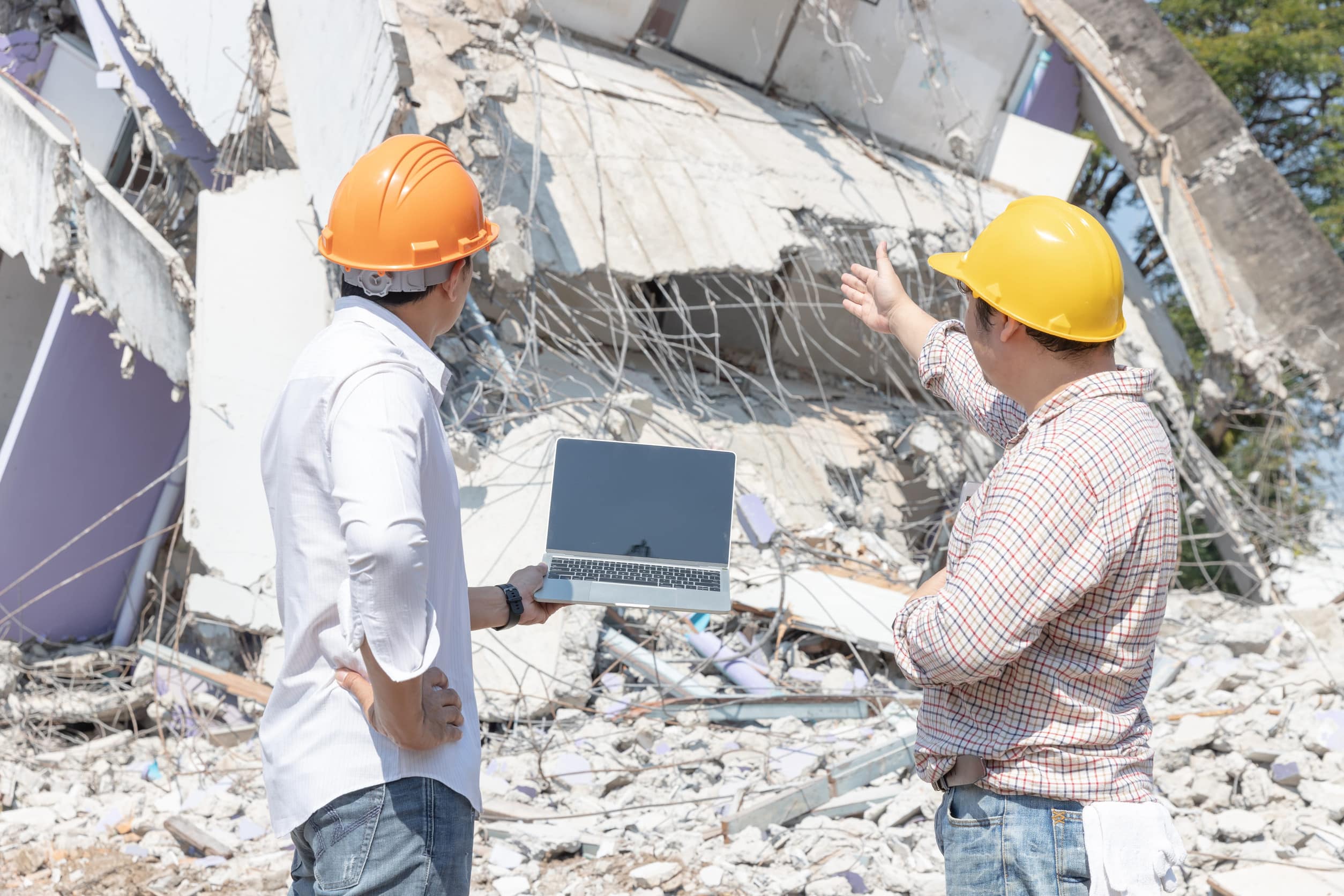
A site inspection is always the first step. An experienced demolition contractor visits the property to inspect the structure, evaluate access conditions, and identify any risks.
The assessment covers:
- Structural review of the building
- Proximity to neighbouring properties, fences, and infrastructure
- Plotting the location of underground utilities such as water, sewer, gas, and electrical conduits
- Likely Site access for heavy machinery
- Any visible signs of hazardous materials, including asbestos
This stage forms the basis for the demolition plan, your quote, and any specialist reports required for council approvals.
Step 2: Hazardous materials removal
The site must be reviewed and, if needed, cleared of hazardous materials before any work can take place. In NSW, this is a legal requirement.
Common hazardous materials found in older NSW buildings include asbestos-containing materials, lead-based paint, and, depending on previous land use, contaminated soil.
If asbestos is identified, a licensed asbestos removalist must remove and dispose of it in compliance with SafeWork NSW regulations before general demolition can proceed.
Step 3: Obtaining demolition approvals and permits
Most demolition projects require council approval or a Complying Development Certificate (CDC) before work can begin.
The type of approval depends on the project’s size, location, and whether the property is within a heritage zone or subject to environmental constraints.
Typical approvals required may include:
- A Development Application (DA) submitted to your local council, such as Central Coast Council or Newcastle City Council
- A Complying Development Certificate, where applicable
- Notification to SafeWork NSW for large or complex demolitions
- Approval from utility providers to disconnect services
Your demolition contractor will usually manage this process on your behalf, or advise you on what is needed.
TIP: Understanding this process can save you time and money, so always confirm your demolition team will handle the demolition permit Central Coast process before signing a contract.
Step 4: Service disconnections
All essential services must be disconnected and capped before demolition machinery moves on to the site. This is a non-negotiable safety requirement.
Services that must be disconnected include:
- Electricity, coordinated with Ausgrid or another network provider
- Natural gas, coordinated with Jemena or the relevant provider
- Mains water and sewer, coordinated with Hunter Water or Central Coast Council
- Any telecommunications lines connected to the structure
Disconnection may only be arranged by authorised service providers, not the demolition crew. Your contractor should confirm that all clearances are in place before site work begins.
Step 5: Physical demolition works
This is the stage most people picture when they think about demolition. The approach for your property will depend on the size of the structure, its location, and what future plans for the site.
Common methods for local demolition:
- The use of excavators, the most common method for residential properties
- Manual demolition, using hand tools, for smaller structures or confined sites
- Selective demolition, where only part of a building is removed while the rest remains in place
For most Central Coast and Newcastle residential projects, mechanical demolition is the most efficient and cost-effective approach.
Step 6: Debris removal and waste management
Once the structure is down, the site needs to be cleared. Demolition waste management is the process of sorting, removing, and disposing of all demolition debris in compliance with NSW EPA guidelines.
This stage typically involves:
- Separating materials on site by type, including concrete, steel, timber, and general waste
- Recycling or repurposing materials where possible
- Transporting non-recyclable waste to a licensed facility
- Ensuring all waste disposal is documented and compliant with EPA requirements
Concrete is commonly crushed and recycled as road base or fill material. Steel is collected for scrap. Timber may be chipped or repurposed. A responsible contractor will aim to divert as much material as possible from landfill.
Step 7: Site clearing and ground preparation
After debris removal, the site is graded and levelled in preparation for the next phase of development. This may include:
- Stump and root removal
- Tree removal or root barrier installation, if required by council conditions
- Levelling and compacting the surface
- Installation of sediment and erosion control measures, particularly on sloped sites in the Central Coast or Hunter Valley regions
- Fencing or hoarding to secure the cleared site
If the project involves a knockdown-rebuild, the builder will often take over at this point with a site survey and footing design.
Step 8: Final inspection and compliance sign-off
Once work is complete, a final inspection confirms that the demolition has been carried out in accordance with the approved plans and all relevant standards. Depending on the project type and local council requirements, this may involve:
- A site inspection by the principal certifier or private certifier
- Confirmation that asbestos clearance certificates are on file
- Waste disposal documentation and receipts
- Photographic records of the completed site
These records are important if you plan to sell, subdivide, or develop the site in the future.
What approvals are needed for demolition in the Central Coast and Newcastle?
Both the Central Coast Council and City of Newcastle Council have specific requirements for demolition approvals. Requirements vary based on the type of structure, its location, and whether heritage or environmental overlays apply.
Key considerations for both areas:
- Properties in flood-prone areas, such as parts of the Central Coast, may require additional assessments
- Heritage-listed properties or those within a heritage conservation area require additional approval before any demolition occurs
- Both council areas require asbestos management plans for demolition of pre-1990 buildings
- SafeWork NSW must be notified for demolition projects above a certain size threshold
Always check with your local council and a licensed demolition contractor before committing to a project timeline. Approval timeframes can vary and will affect your start date.
How long does the demolition process take?
The timeframe for a demolition project in NSW depends on the project’s size, whether asbestos or other hazardous materials are present, how long council approvals take to process, and the availability of service disconnection teams.
As a rough guide:
- A straightforward house demolition in NSW normally takes 1 to 4 weeks
- Obtaining approvals and getting services disconnected can add 4 to 8 weeks before work can start
- Asbestos removal, if required, adds additional time
- Larger commercial or industrial demolitions can take several months from first assessment to site handover
Planning ahead is essential. Engaging a demolition contractor early in your project gives you the most accurate timeline and reduces delays.
Frequently Asked Questions
Do I need a permit to demolish a house in NSW?
Yes. Most residential demolitions in NSW require a Complying Development Certificate (CDC) or a Development Application (DA). Your local council will advise on which pathway applies to your property.
Can demolition work start before asbestos is removed?
No. Under NSW and national workplace health and safety legislation, all asbestos-containing materials must be identified and removed by a licensed contractor before general demolition begins.
What happens to the waste from a demolition?
Demolition waste is sorted and separated on site. Materials such as concrete, steel, and timber are recycled where possible. Remaining waste is transported to a licensed facility approved by the NSW EPA.
Who is responsible for notifying neighbours about demolition?
Your demolition contractor or the principal certifier will usually notify adjoining property owners as part of the approval process. In some cases, council conditions require a letter drop within a set radius of the site.
Ready to start your demolition project on the Central Coast or in Newcastle?
At The Demolition Company, we manage the demolition process steps for homeowners, property managers, business owners, and contractors across the Central Coast and Newcastle regions. We handle the permits, hazardous materials, and site cleanup, so you can get on with your follow-on project.
We are locally based, fully licensed, and fully insured. We know the Central Coast and Newcastle councils, the local service providers, and the site conditions in this part of NSW. That means fewer delays, clear communication, and peace of mind for you.
Get in touch with our team today with your questions and get your free quote. We are friendly and happy to help.








Leave A Comment