

A well-planned demolition project helps prevent the risk of delays, safety risks and unexpected costs. The demolition process NSW generally includes site assessment, NSW demolition approvals, asbestos identification, service disconnections, safety planning, controlled demolition, waste removal and final site handover.
This guide explains the demolition process and how it can impact businesses, property owners, managers and contractors in the Central Coast and Newcastle regions. Learn what needs to happen at each stage and how to prepare for a compliant project.
What should happen before demolition planning begins?
The first stage is to establish exactly what will be removed and what conditions may affect the work.
How is the scope of work confirmed?
The scope should describe the structures and materials included in the project. It should also identify any areas that must be protected.
A clear scope helps prevent disputes and allows the contractor to prepare an accurate quotation and work plan.
What is checked during a site inspection?
A site inspection identifies physical constraints and potential hazards before work starts.
For commercial sites, the inspection should also consider workers, customers, tenants, deliveries, trading hours and any need to maintain access to nearby premises.
How are asbestos and hazardous materials identified?
An inspection for hazardous materials should be conducted before demolition begins. If an asbestos register is available, it should be reviewed. If there is no reliable register, the building should be inspected by a competent person.
The findings should be recorded and used to determine the required removal method, safety controls and disposal arrangements.
What approvals are needed for demolition in NSW?
The required approval depends on the property, proposed work and local planning controls. Demolition should not begin until the correct approval pathway and conditions have been confirmed.
When may a Development Application be required?
A Development Application, or DA, may be required where the work does not meet the conditions for complying development or where local planning controls require council assessment.
The approval conditions must be reviewed before work starts. They may specify requirements for fencing, erosion controls, dust, noise, waste, tree protection or site restoration.
When may a Complying Development Certificate be used?
A Complying Development Certificate, or CDC, may be available where the proposed demolition meets all applicable requirements for complying development.
A CDC is not a shortcut around safety or environmental duties. The approval conditions still need to be met, and the contractor must complete the required worksite controls.
What happens during the pre-demolition stage?
Pre-demolition preparation ensures the site is safe, accessible and ready for controlled work.
How are services disconnected?
Electricity, gas, water, sewerage, telecommunications and other services should be disconnected, isolated or protected before demolition starts. This means contacting the relevant service providers, who will arrange for professional disconnection and provide documentation.
What safety documents are prepared?
The contractor should prepare documentation that reflects the actual site and demolition method. Expect a site-specific risk assessment and a Safe Work Method Statement, a demolition plan and an asbestos removal control plan, where applicable.
Are neighbours and authorities notified?
Notification requirements depend on the approval pathway, work type and local conditions. Neighbours may also need practical information about access, noise, dust, temporary fencing and expected work hours.
Approval often requires contact with neighbours. Clear communication can reduce disruption and give nearby occupants a clear point of contact.
What are the steps for demolition in NSW?
Once approvals, services, hazardous-material controls and site preparations are in place, the physical demolition work can begin.
How is the site secured?
The site is secured with fencing and warning signs and controlled entry points before workers and machinery begin destructive work.
How are hazardous materials removed?
Remove hazardous materials before general demolition, where required. The removal method depends on the material, its condition and the amount present.
Any asbestos-containing waste must not be mixed with general demolition waste. It must be packaged, transported and disposed of in accordance with NSW requirements.
What is soft stripping?
Soft stripping involves removing selected non-structural items, such as doors, cabinets, windows and plumbing fixtures before the main structure is demolished. This can improve safety, reduce damage to equipment and support material recovery.
How is the structure demolished?
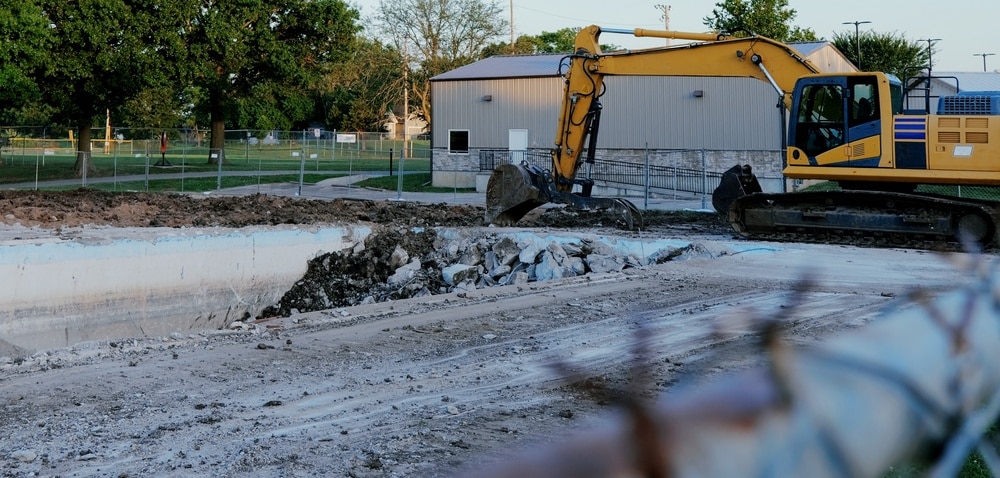
The structure is demolished using a planned sequence that suits its construction and location. This often involves a combination of mechanical demolition using excavators and dismantling by hand in restricted or sensitive areas.
How is demolition waste removed?
Demolition waste is separated into material streams where practical. This supports recycling, reduces landfill use and helps maintain lawful disposal records.
What happens during final site clean-up?
After the structure and waste have been removed, the site is cleaned and checked against the agreed scope.
The final handover should identify any exclusions, outstanding items, or additional works not included in the demolition scope.
Frequently asked questions
Do I need approval to demolish a building in NSW?
Most demolition projects require an approved planning pathway, such as a Development Application or Complying Development Certificate, unless a specific exemption applies. The relevant council, certifier or planning professional should confirm the requirements for the property.
Can demolition begin before asbestos is removed?
No. Asbestos must be identified and managed before general demolition begins. Where asbestos is present, appropriately licensed professionals must remove it and dispose of it lawfully.
Who disconnects electricity, gas and water?
The relevant service providers or qualified professionals generally complete or confirm disconnections and isolations. The demolition contractor should verify that services are safe before work starts.
Is demolition waste recycled?
Some demolition materials can be recycled or recovered, including concrete, bricks, metal and selected timber. Recycling depends on material condition, contamination, separation and the availability of suitable authorised facilities.
What happens after demolition is complete?
The site is cleared of demolition debris, checked against the agreed scope and prepared for the next stage. Records relating to waste, asbestos clearance and approval conditions may also need to be retained or provided.
Arrange a compliant demolition project in NSW
At The Demolition Company, we help businesses, property owners and contractors understand the demolition process from the initial site assessment through to final clean-up.
We provide advice and guidance on the steps for demolition in NSW, including essential NSW demolition approvals and waste management across the Central Coast and Newcastle regions.
Contact us with your questions on the demolition process NSW, arrange a site assessment, and get your free, no-obligation quote.





Leave A Comment