
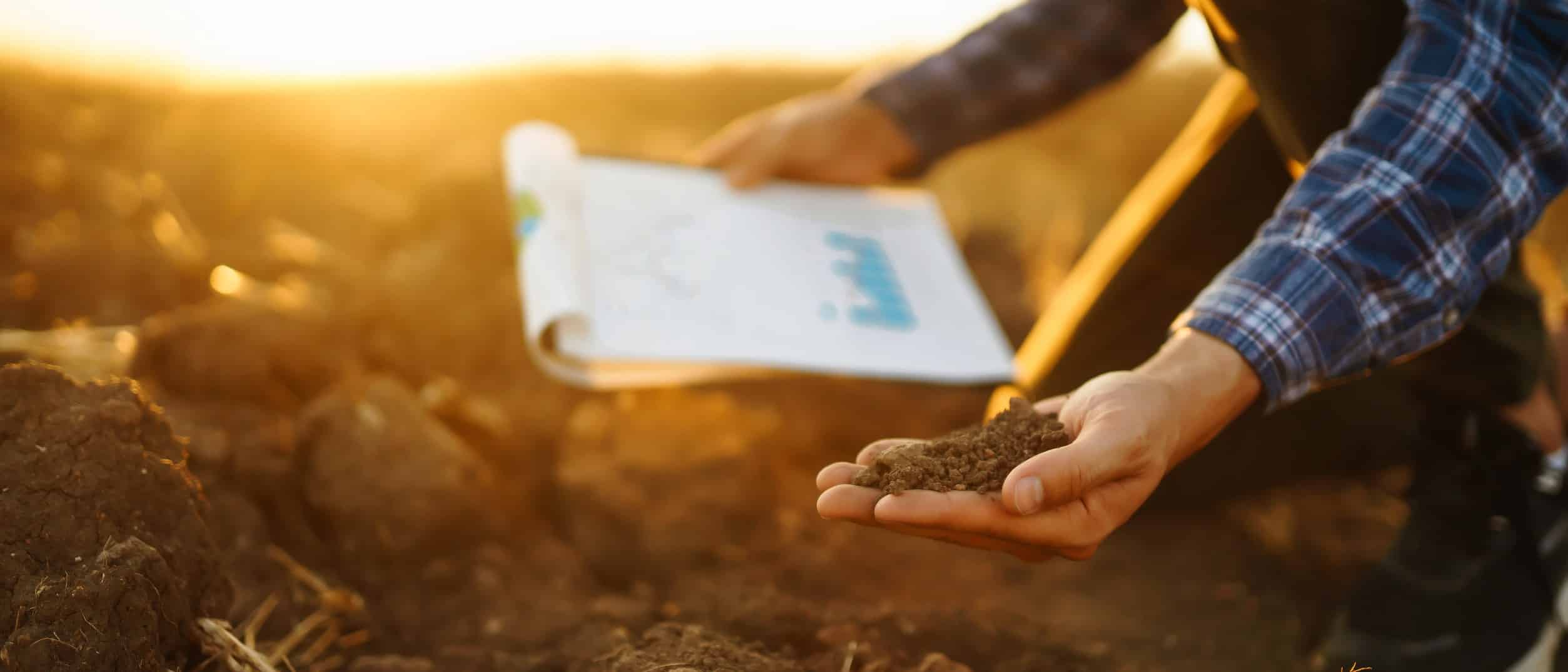
Finding out that your site has contaminated soil can delay a project, increase costs and create safety risks, but the right approach can move everything forward again.
This guide explains what soil remediation is, how contamination is confirmed, what usually causes it and how a structured 7-stage process will deliver contaminated soil removal for properties in Central Coast and Newcastle.
What Is Site Remediation?
Site remediation is the process of making contaminated land safe for its intended use. It may involve removing polluted soil, treating it on-site, or containing it to reduce the risk to an acceptable level.
It is not the same as a general clean-up. A surface clean removes visible waste, but remediation addresses contamination below ground that may affect health, buildings, or future development.
What does site remediation mean?
In simple terms, site remediation means fixing a land contamination problem so the site can be used safely again. The work is guided by testing, environmental standards and the intended use of the land.
Common outcomes of remediation include:
- Safe reuse of the land.
- Reduced exposure to harmful substances.
- Better support for construction, sale or redevelopment.
- Clearer compliance with local and state requirements.
Why is remediation needed at all?
Contaminated soil can affect people, nearby properties and the environment. It can also delay development, create compliance issues and increase project costs if it is not addressed early.
How Do You Know If Soil Remediation Is Needed?
You usually need an assessment if there is reason to suspect contamination or if the site history raises concern. That is especially true before excavation, redevelopment, property transfer or major works.
Common warning signs include:
- Fuel, chemical or solvent smells.
- Discoloured or oily soil.
- Buried waste, ash, fill or old building debris.
- Previous industrial, fuel or workshop use.
- Visible staining around tanks, drains or hardstand areas.
When should you arrange an assessment?
An assessment is wise before you make major decisions about land. It helps reduce the chance of surprises during construction or settlement and gives you a clearer idea of the likely scope of work.
You should consider an assessment if:
- You are planning a knockdown-and-rebuild.
- You are buying or selling land with a complex history.
- You are managing a commercial or industrial property.
- Council or an environmental consultant has raised a contamination concern.
How Did The Site Get Contaminated?
Soil contamination usually comes from past activity on the land. It may be linked to service stations, workshops, factories, storage yards, farms, demolition sites or illegal dumping.
Typical causes include:
- Leaking underground tanks.
- Oil, fuel or chemical spills.
- Solvents, heavy metals or industrial waste.
- Pesticides and fertilisers from agricultural use.
- Poor disposal of construction or demolition waste.
How Do You Confirm Whether Remediation Is Needed?
The only reliable way to confirm contamination is a professional site visit to test the soil. Visual signs can raise suspicion, but laboratory results are what confirm what is actually present.
The usual process includes:
- Reviewing the site history.
- Inspecting the land for surface or structural clues.
- Collecting soil samples from targeted locations.
- Sending samples to an accredited laboratory.
- Comparing the results with relevant environmental criteria.
What does testing tell you?
Testing shows the type of contamination, how much is present and how far it has spread. It also helps determine whether the site is suitable for its current or future use.
That information is essential because different contaminants need different responses. A small localised fuel issue is handled differently from widespread industrial contamination.
Why is professional advice important?
Testing results must be interpreted properly. A qualified assessment is needed to determine whether remediation, monitoring, or validation is required and what level of work is appropriate.
That step matters because unnecessary work can add cost, while incomplete work can leave risk behind.
Our 7-Stage Remediation Process
A well-proven process helps control risk and keeps everyone clear on what happens next.
How does the process usually work?
- Site review and inspection. We assess the property history, visible conditions and likely contamination risks.
- Soil sampling and testing. Samples are collected from the right locations and sent for laboratory analysis.
- Risk assessment and planning. The results are reviewed, and a practical remediation approach is selected.
- Site preparation. The work zone is isolated, and safety controls are put in place.
- Excavation, treatment or containment. Contaminated material is removed, treated or managed according to the plan.
- Waste transport and disposal. Any removed material is classified and sent to approved facilities.
- Validation and reporting. Final testing confirms whether the site meets the required standard.
Why does each stage matter?
Each stage reduces uncertainty. It also creates a clear record of what was found, what was done and whether the site is ready for its next use.
That record is especially useful for owners, buyers, councils and project managers who need clear evidence of compliance.
How do you choose the right remediation approach?
The right approach depends on the type of contamination, the depth and spread of the problem, on-site access, and the intended future use. It also depends on how quickly the land needs to be made ready.
Important decision factors include:
- Type of contaminant.
- Volume of affected soil.
- Depth of contamination.
- Access for plant and trucks.
- Safety requirements.
- Intended use of the land after the work.
A well-planned approach is usually the most practical choice because it balances safety, compliance and cost.
FAQs
Can contaminated soil always be removed?
Not always. Some sites are better suited to treatment, containment or a combination of methods, depending on the contaminant and the future use of the land.
How long does soil remediation take?
Timeframes vary with site size, contamination depth and the method used. A small, localised issue may be resolved quickly, while a more complex site may take longer due to testing, approval, and validation steps.
Do I need testing before excavation?
Yes, if there is any chance of contamination. Testing helps avoid unnecessary delays and gives you a clear plan before work begins.
What happens after remediation?
The site is usually validated to check that the remediation objectives have been met. In many cases, a report is prepared to show the site is suitable for its intended use.
Is remediation the same as asbestos removal?
No. Asbestos removal is one part of contaminated site management, while soil remediation addresses contaminated soil and related environmental risks.
Get The Local Professionals On Your Site
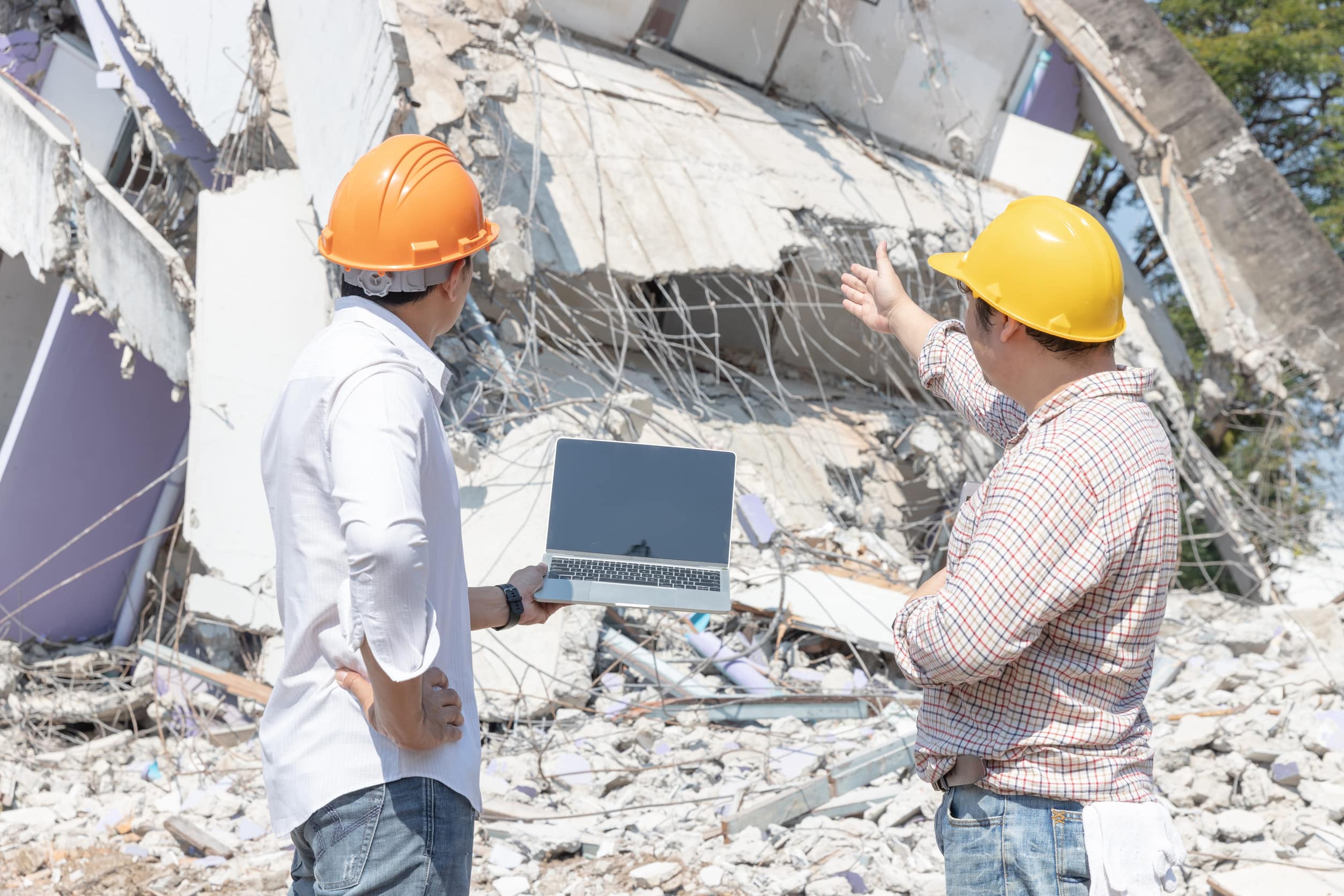
At The Demolition Company, we realise that finding out your land may be contaminated can create stress, delays and uncertainty. We help property owners, managers, and businesses with contaminated soil removal, focusing on safety, compliance, and straightforward communication.
Check out our soil remediation webpage for more information, and contact us today to discuss your site and take the next step.








Leave A Comment