

Soil contamination Newcastle can create major issues for landowners, including delayed approvals, higher costs, and health risks.
In this article, we explain how contaminated soil remediation can fix your site. We cover compliant methods, how to choose the right approach, and what to expect for time, cost, and documentation.
Read on to learn how site remediation Central Coast can resolve your problems.
What is contaminated soil remediation?
Contaminated soil remediation is the process of treating, removing, or containing hazardous substances in soil to meet regulatory standards and make a contaminated site safe for its intended use.
The goal is to target contaminants such as asbestos fibres, hydrocarbons, heavy metals, pesticides, and industrial chemicals to reduce the risk to human health, groundwater, and the environment.
How do you fix contaminated soil?
Site remediation Central Coast often follows a well-proven process, as follows:
Step 1: Assess and classify the contamination
A Preliminary Site Investigation (PSI):
- Visit the site and take samples for testing.
Detailed Site Investigation (DSI):
- The test results indicate the coverage and depth of contamination.
Step 2: Select the right remediation method
Depending on the type and concentration of contaminant:
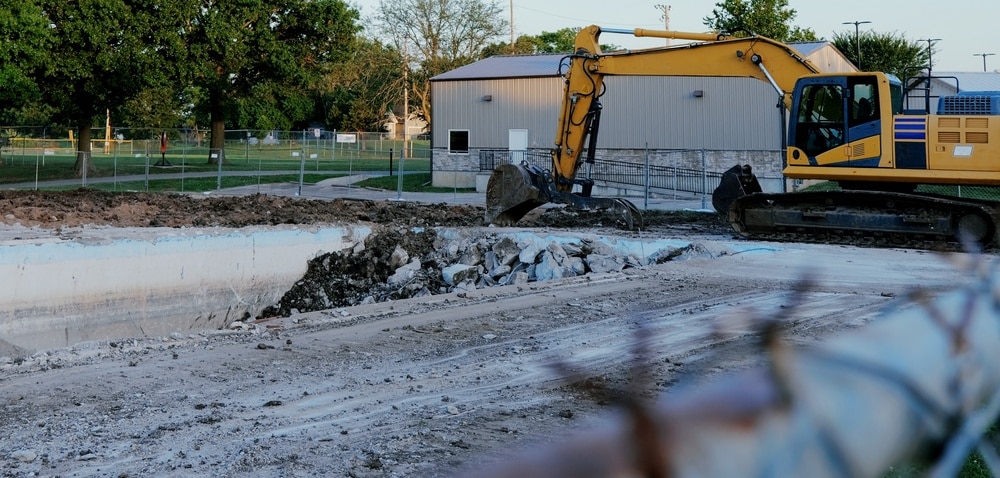
Excavation:
- Waste is taken away for off-site disposal.
On-site treatment:
- Bioremediation or soil washing helps to reduce disposal volumes.
Capping and containment:
- Install barriers where removal is impractical.
Step 3: Implement controls and execute works
- Prepare the site, with signs, barriers and decontamination stations.
- Use licensed asbestos removalists where friable or bonded asbestos is present.
- All waste must be taken to accredited facilities for disposal.
Step 4: Inspect and report
An inspection confirms the site meets the agreed criteria for its intended use.
- An independent consultant conducts post-remediation review and testing.
- Your confirmation Report is prepared.
Which remediation method is best for your site?
The best method depends on the site and the type and coverage of the contamination.
Excavation and disposal
- Rapid, compliant resolution.
- Can result in higher transport and landfill fees. May affect traffic management and community impact.
On-site treatments
Bioremediation:
- Microbes degrade hydrocarbons and some organics.
Soil washing:
- Contaminants are separated from soil grains, effective for sandy soils and some metals.
Capping and containment
- The use of barriers, such as concrete slabs or clean fill, as permanent covers.
- Commonly used for industrial zones and infrastructure corridors.
How long does soil remediation take?
Every project is unique, and timescales depend on the method, approvals, and site constraints.
Expect your excavation project to take from a few days upwards, while on-site remedies and capping can take weeks or months.
What compliance and approvals are required in NSW?
NSW guidelines follow the Contaminated Land Management Act 1997 and NSW EPA guidelines.
- A qualified consultant should conduct a site inspection.
- Take waste material to approved disposal facilities.
- You will need documentation to obtain council approvals or permits and to keep relevant documents for future property settlements.
What are the risks if contaminated soil is not fixed properly?
Poorly treated soil introduces the risk of you breaking the law and facing heavy fines from regulators or council, delays in DA approval and reputational damage for developers and contractors.
Frequently Asked Questions
How do you fix contaminated soil on a residential block?
Typically by excavating hotspots, disposing at a licensed facility, and validating with post-works sampling.
What is the fastest way to remediate contaminated soil?
Excavation and off-site disposal is commonly used and is the quickest route to clearance.
Can contaminated soil be treated on-site?
Yes, using bioremediation, soil washing, or stabilisation where conditions allow.
Is capping contaminated soil a permanent solution?
It can be, but it requires a Site Management Plan and long-term monitoring to remain compliant.
Do I need a consultant to validate remediation works?
Yes, independent validation is standard for council approvals, finance, and property transactions.
Next steps and how The Demolition Company can help
If you have a problem with soil contamination Newcastle, The Demolition Company will resolve the issue for you.
We are a local business, with years of experience in successful contaminated soil remediation across the Central Coast and Newcastle regions.
We provide efficient, compliant site remediation services, with clear communication, safe asbestos handling, and respectful site practices. Contact us today to discuss your project and arrange for a free, no-obligation quote.






Leave A Comment