

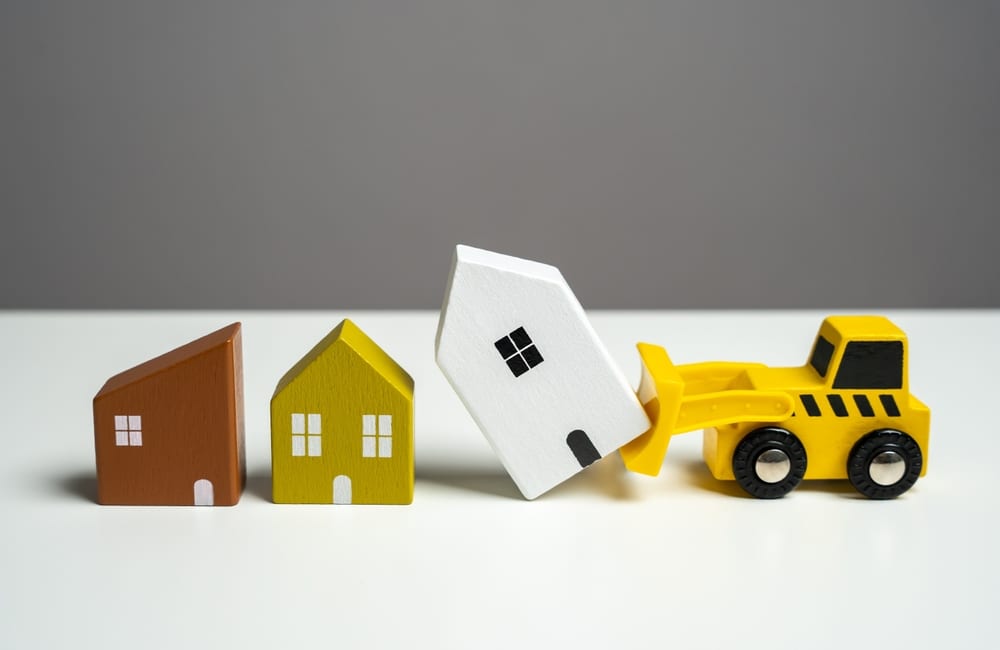
Replacing an outdated commercial building can give you a safer, more functional and more valuable property. A successful project to demolish and rebuild commercial building also allows your business to retain the same lucrative location.
This guide explains commercial demolition Central Coast and Newcastle, and you will learn when demolish and rebuild is suitable, what to check before work begins, how commercial demolition is managed and how to prepare the site for its next use.
Keep reading to understand the complete process before arranging commercial demolition services and committing to your redevelopment plans.
Can a commercial building be demolished and rebuilt?
Yes, a commercial building can generally be demolished and replaced, provided the project meets relevant planning, building, environmental and workplace safety requirements.
Demolish and rebuild projects are often considered when:
- The current building is outdated or no longer suitable for the business.
- The building layout does not support modern operations.
- Repairs or renovations would cost more than redevelopment.
- The property has been re-zoned for a new commercial or industrial use.
- The site is in a valuable location, but the existing structure limits its potential.
- A new building is required to meet current operational, accessibility or energy-efficiency expectations.
Demolition is only one part of the project. Before removing the building, the owner, developer, and project team should confirm that the proposed replacement building suits the site and can proceed through the required approval pathway.
What is involved in a commercial demolish-and-rebuild project?
A commercial demolish-and-rebuild project should follow a planned sequence from initial inspection through to site handover.
1. Site inspection and project consultation
The project team reviews the building, site access, surrounding properties, construction materials, services and known hazards.
2. Hazard and material assessment
The team identifies potential asbestos, contaminated materials, chemicals, and other risks so they can be managed before general demolition.
3. Demolition planning
The contractor prepares a method suited to the structure and location. This may include controls for dust, noise, vibration, traffic, public access, falling materials and neighbouring properties.
4. Site preparation
The work area is secured. Services are isolated, exclusion zones are established, and any required environmental or protection measures are put in place.
5. Hazardous material removal
Asbestos and other hazardous materials are removed, contained and transported for disposal by appropriately licensed and qualified professionals.
6. Structural demolition
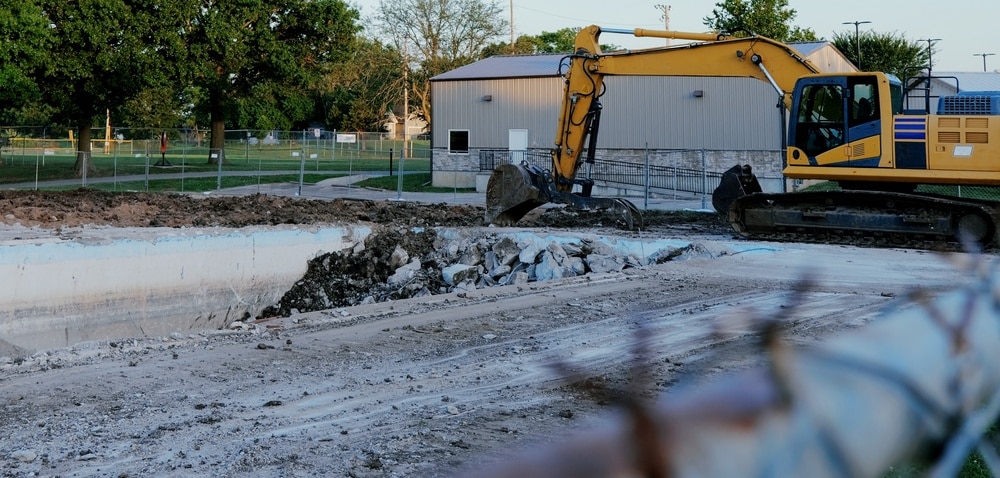
The building is dismantled or demolished using suitable equipment and methods. The work is supervised to maintain control of the structure and protect people and property.
7. Sorting and waste removal
Materials are separated where practical. Recyclable materials, general waste, rubble and hazardous waste are handled through appropriate disposal or recovery pathways.
8. Site clean-up and handover
The site is cleared of demolition debris and left in the agreed condition for the next stage of construction or development.
When is demolish to rebuild the right solution?
Demolish to rebuild is often appropriate when the existing structure prevents the property from meeting the owner’s operational or investment goals.
Is the current building no longer fit for purpose?
A building may have reached the point where renovation is not commercially sensible. Common issues include:
- Inefficient floor layouts.
- Limited loading, storage or parking areas.
- Outdated electrical, plumbing or mechanical systems.
- Poor access or inadequate amenities.
- Structural deterioration.
- High maintenance costs.
- Inability to meet current business requirements.
A new building can be designed around how the business operates today, rather than adapted to the limitations of an older structure.
Is the location more valuable than the existing building?
A property may have strong commercial potential because of its location, access, visibility or zoning, even if the existing building is no longer useful.
In this situation, removing the old structure can create a clear site for a purpose-designed commercial or industrial building. The redevelopment decision should consider the expected value of the new building, project costs, approval timeframes and temporary business arrangements.
How does demolition support property development?
Demolition for property development removes an unsuitable structure so the land can be used for a new approved purpose.
This may benefit property owners and investors by:
- Creating a clean starting point for design and construction.
- Making better use of the available site area.
- Removing buildings that no longer match the zoning or market.
- Supporting a new commercial, retail, warehouse or industrial development.
- Improving the presentation and usability of the property.
- Allowing infrastructure and access to be planned around the new building.
A re-zoned property may offer development potential, but the existing building can restrict that opportunity. A planned knockdown solution helps move the site towards its next use.
How are asbestos and hazardous materials managed?
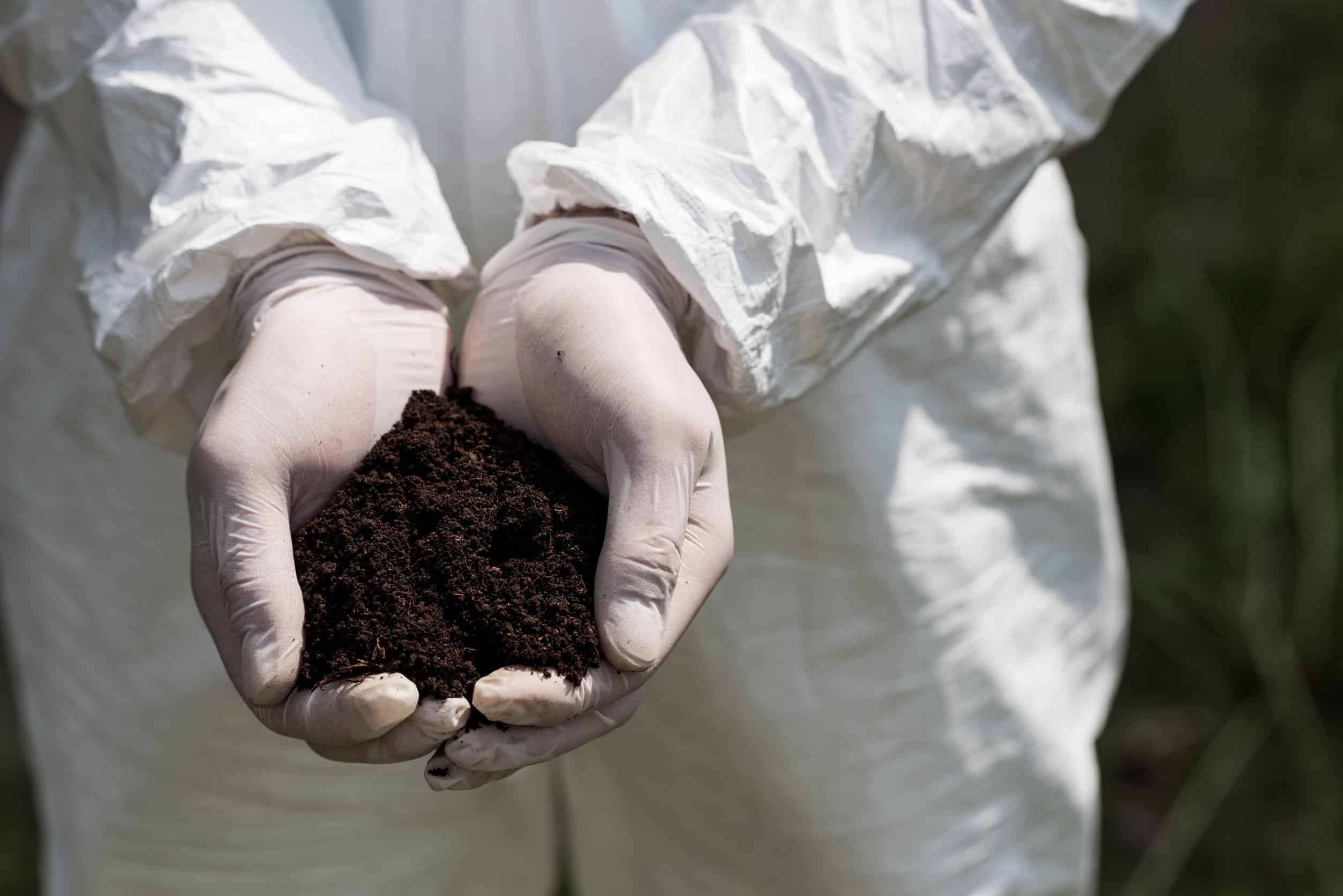
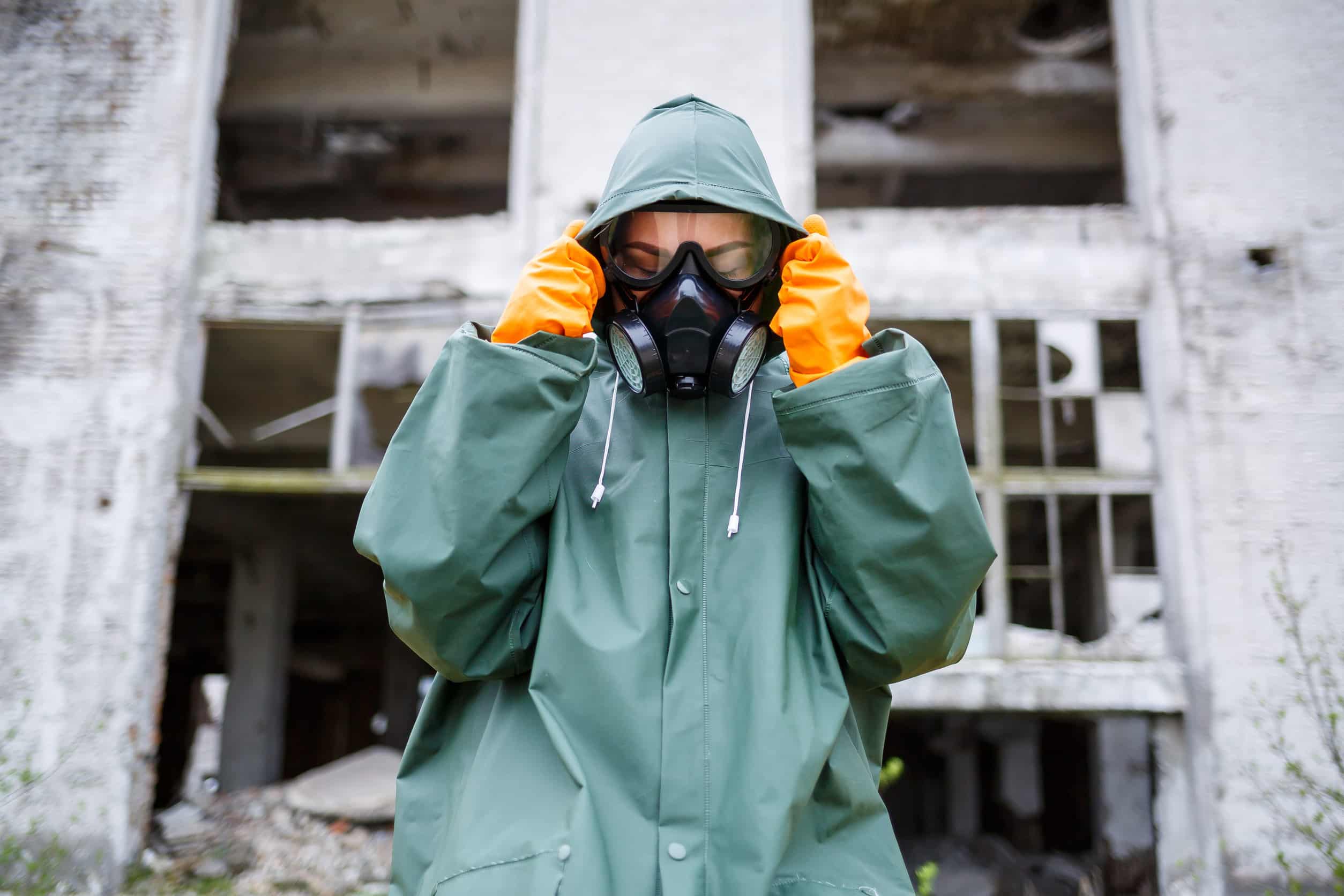
Hazardous material management is the process of identifying, removing, containing, transporting and disposing of materials that may harm people or the environment.
During a commercial demolition, this may involve asbestos-containing materials, chemicals, fuel and contaminated soil.
The correct approach depends on the material, its condition, its location and the applicable NSW requirements.
Frequently asked questions
Can I demolish a commercial building and build a new one?
Yes, but the demolition and new construction must follow the relevant planning, approval, safety and environmental requirements. Confirm the redevelopment pathway before committing to demolition.
Do I need approval to demolish a commercial building?
You normally need local authority approval. Requirements vary by site and council, so obtain project-specific advice before work begins.
Can asbestos be removed as part of commercial demolition?
Yes, asbestos can be managed as part of a planned demolition project, but removal and disposal must be carried out by appropriately licensed and qualified professionals where required.
What happens to commercial demolition waste?
Waste is assessed, separated and transported for recycling, recovery or disposal through suitable facilities. Hazardous materials must be kept separate and handled through compliant disposal processes.
Can demolition contractors prepare the site for construction?
Many contractors can clear demolition debris and leave the site ready for the next stage. Confirm whether the scope includes slabs, footings, underground structures, contaminated material and any specific preparation required by the builder.
How can The Demolition Company help with commercial demolition?
The Demolition Company delivers commercial demolition services Newcastle and across the Central Coast. We help business owners, managers, investors and contractors demolish and rebuild commercial buildings.
Read our commercial demolition services page for more information, and contact our friendly, experienced team to discuss your site, proposed use, and next steps.




Leave A Comment