
If you want a clean block for a rebuild, the good news is that demolition in NSW can be planned properly and managed without unnecessary stress.
In this guide, we explain whether a homeowner can, or should,demolish their own house, why the job is more complex than it first looks, and when working with a professional demolition contractor NSW is the safer choice. Keep reading for a clear step-by-step breakdown of residential demolition to help you avoid delays, mistakes, and safety problems.
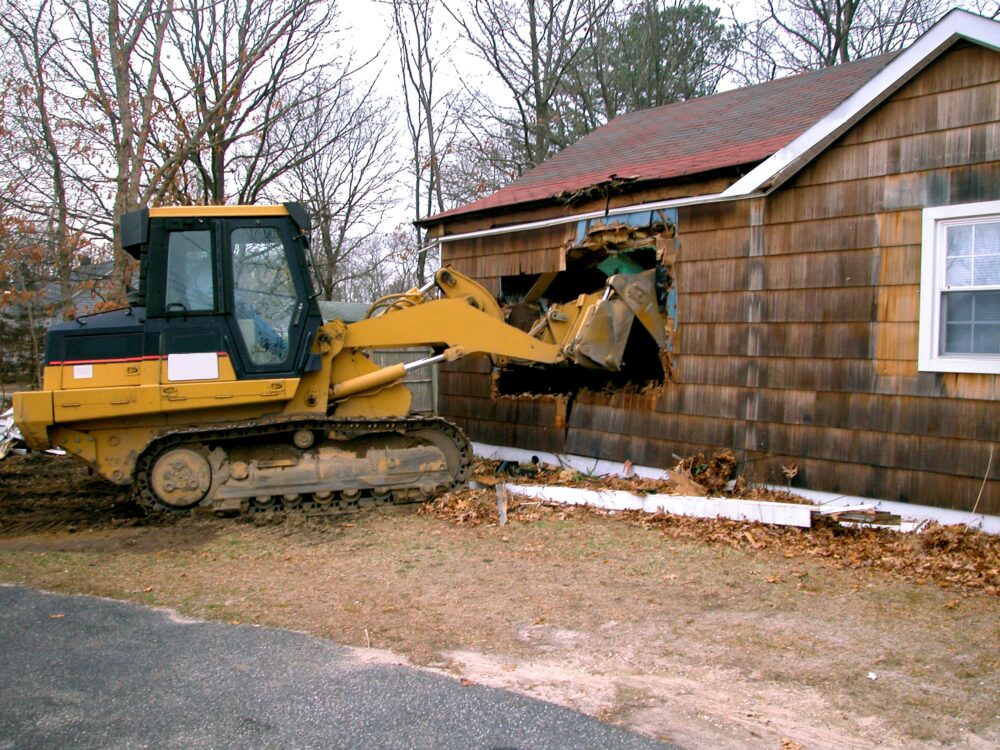
Can you demolish your own house in NSW?
The short answer is that a homeowner should not attempt to demolish their own house. While NSW planning rules allow demolition in some cases through complying development, the work still needs to meet strict approval, safety, and asbestos requirements.
Why is DIY demolition a bad idea?
Demolition has serious safety risks, especially for older homes and sites with hidden hazards. In older properties, asbestos must be handled and removed by a licensed contractor, which alone makes DIY demolition a poor choice for most homeowners.
- Falls, structural collapse, and flying debris are real risks.
- Hidden asbestos can expose occupants, neighbours, and workers.
- Incorrect waste handling can lead to legal and environmental issues.
What makes demolition more than just demolition?
Demolition is a managed process that includes planning, compliance, safety control, and waste management. Think of it as a full site preparation service rather than a simple knockdown job.
What has to happen before the structure comes down?
The site must be prepared before any physical demolition starts. That means approvals, service checks, asbestos inspection, and a safe method of work.
- Confirm the demolition approval pathway.
- Disconnect electricity, gas, water, and other services.
- Inspect for asbestos and other hazardous materials.
- Notify neighbours where required.
- Put safety and environmental controls in place.
What can go wrong without proper planning?
Without proper planning, a demolition can become expensive and unsafe very quickly. Missed asbestos, poor waste disposal, or a failure to disconnect services can delay the project and create legal exposure.
- Work can be stopped by regulators.
- Cleanup costs can rise sharply.
- Insurance and compliance issues can follow.
Why should a professional handle the job?
A professional demolition team has the licences, equipment, planning, and site controls needed to complete the work properly. NSW guidance and SafeWork requirements indicate the need for controlled demolition, especially where asbestos, public safety, or site complexity is involved.
Competent demolition work also reduces pressure on the owner. Instead of juggling approvals, contractors, waste, and safety, the job is handled as one coordinated project.
How does safety get managed?
Safety is built into the project before the first machine arrives. That includes risk assessments, site controls, protective measures, and compliance with NSW safety rules and demolition codes.
SafeWork NSW guidance classifies demolition as high-risk work, so the method, equipment, and personnel must all be suitable for the job.
How is asbestos handled in NSW?
Asbestos is one of the main reasons homeowners should avoid DIY demolition. Formal NSW guidance requires that asbestos be handled only by a licensed contractor.
What should homeowners look for?
Homeowners should treat older buildings as asbestos risk sites until proven otherwise. Materials can be found in walls, ceilings, flooring, eaves, fences, or wet areas, depending on the home’s age and construction.
- Do not disturb suspected materials.
- Arrange a proper inspection.
- Use licensed asbestos removal where required.
What happens to demolition waste?
Materials should be sorted, removed, and disposed of correctly, with recyclable materials diverted where possible and hazardous waste handled under the right controls.
This matters for both compliance and environmental responsibility. It also helps leave the site clean, safe, and ready for the next stage of development.
What does responsible waste management include?
- Sorting materials where practical.
- Containing and removing asbestos safely.
- Sending waste to approved facilities.
- Recycling salvageable materials where possible.
- Leaving the site clear and tidy.
How do approvals and neighbour notices work?
Demolition approvals are not something to leave until the last minute. NSW planning guidance confirms that neighbour notification and approval conditions can apply before demolition work starts.
This is especially relevant in built-up areas like Newcastle and the Central Coast, where nearby homes, access, and public safety need to be managed carefully.
FAQs about demolishing your own house in NSW
Can I remove part of my house myself?
Homeowners should not start demolition work without first checking approvals and safety requirements. Even smaller demolition tasks can expose you to asbestos, structural, and legal risks.
Do I need approval for demolition in NSW?
Yes, most demolition needs local authority approval via either a CDC or a DA, depending on the property and the work. The correct approach should be checked before any work begins.
What if the house is older?
Older homes need extra care because asbestos is more likely to be present. NSW guidance says buildings built before 1987 require licensed asbestos handling and removal.
What happens after demolition?
After demolition, the site should be cleared, cleaned, and checked before it is handed over for the next stage. A proper finish helps avoid delays in future building work.
Why choose The Demolition Company?
At The Demolition Company, we understand the demands of residential, commercial, and property work across NSW.
Our team has extensive experience in house demolition NSW, and we are licenced for asbestos removal, so the job is done properly from the first inspection to the final clearance.
We focus on clear communication, safe work methods, responsible waste handling, and a clean site at the end of the job. If you are planning residential demolition in the Central Coast or Newcastle region, contact The Demolition Company to discuss the next step.






Leave A Comment